Skip to content

Is That Small Drywall Crack Really Bad? Why San Diego Homeowners Shouldn’t Wait

You walk past that hairline crack in your living room wall every day, telling yourself it’s “just cosmetic” and you’ll deal with it later. But if you’re a San Diego homeowner, that small crack might be trying to tell you something important about your home’s structural health.
The truth is, not all drywall cracks are created equal. Some are harmless signs of normal settling, while others can signal serious problems that will cost thousands to fix if ignored. Here’s what every San Diego homeowner needs to know about those seemingly innocent cracks.
The Crack Size Rule: When Small Becomes Big
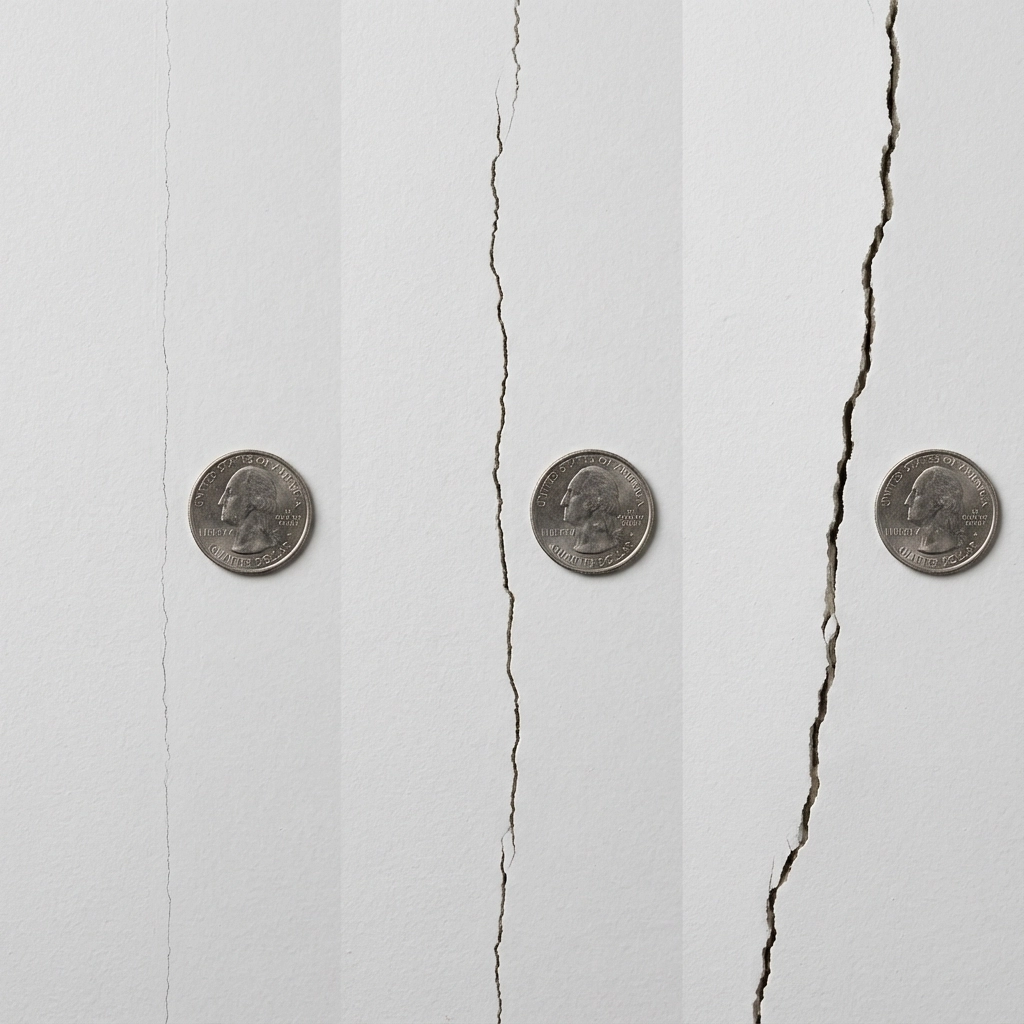
Hairline cracks (less than 1/8 inch wide) are usually nothing to panic about. These thin, barely visible lines often appear as your home naturally settles or responds to San Diego’s temperature fluctuations. They’re particularly common in newer homes during their first few years.
Medium cracks (1/8 to 1/4 inch wide) deserve your attention. While they might not indicate immediate structural danger, they’re worth monitoring closely. Take photos with a coin for scale reference, and check them monthly for any growth.
Large cracks (wider than 1/4 inch) are red flags that require professional evaluation immediately. These almost always indicate underlying structural issues that won’t resolve on their own.
Why San Diego’s Climate Makes Cracks Worse
Living in San Diego comes with unique challenges for your drywall. Our Mediterranean climate creates specific conditions that can accelerate crack development:
Temperature swings between day and night cause building materials to expand and contract repeatedly. While our weather is mild compared to other regions, these daily cycles still stress your home’s structure over time.
Low humidity levels, especially during Santa Ana wind events, can cause drywall to dry out and become more brittle. This makes existing weak spots more likely to crack.
Seasonal moisture changes from our wet winters to dry summers affect the soil around your foundation, potentially causing subtle shifts that show up as wall cracks months later.
Seismic activity in Southern California, even minor tremors you might not feel, can create micro-movements in your home’s frame that eventually manifest as drywall cracks.
The Hidden Costs of Waiting
Many San Diego homeowners think they’re saving money by ignoring small cracks, but this approach often backfires spectacularly. Here’s what really happens when you wait:
Pest Highway Creation
That innocent-looking crack becomes a superhighway for ants, termites, and other pests. In San Diego’s warm climate, insect activity is year-round, and they’re experts at finding even the tiniest entry points. Once inside your walls, they can cause damage far exceeding the cost of simple crack repair.
Water Infiltration Risk
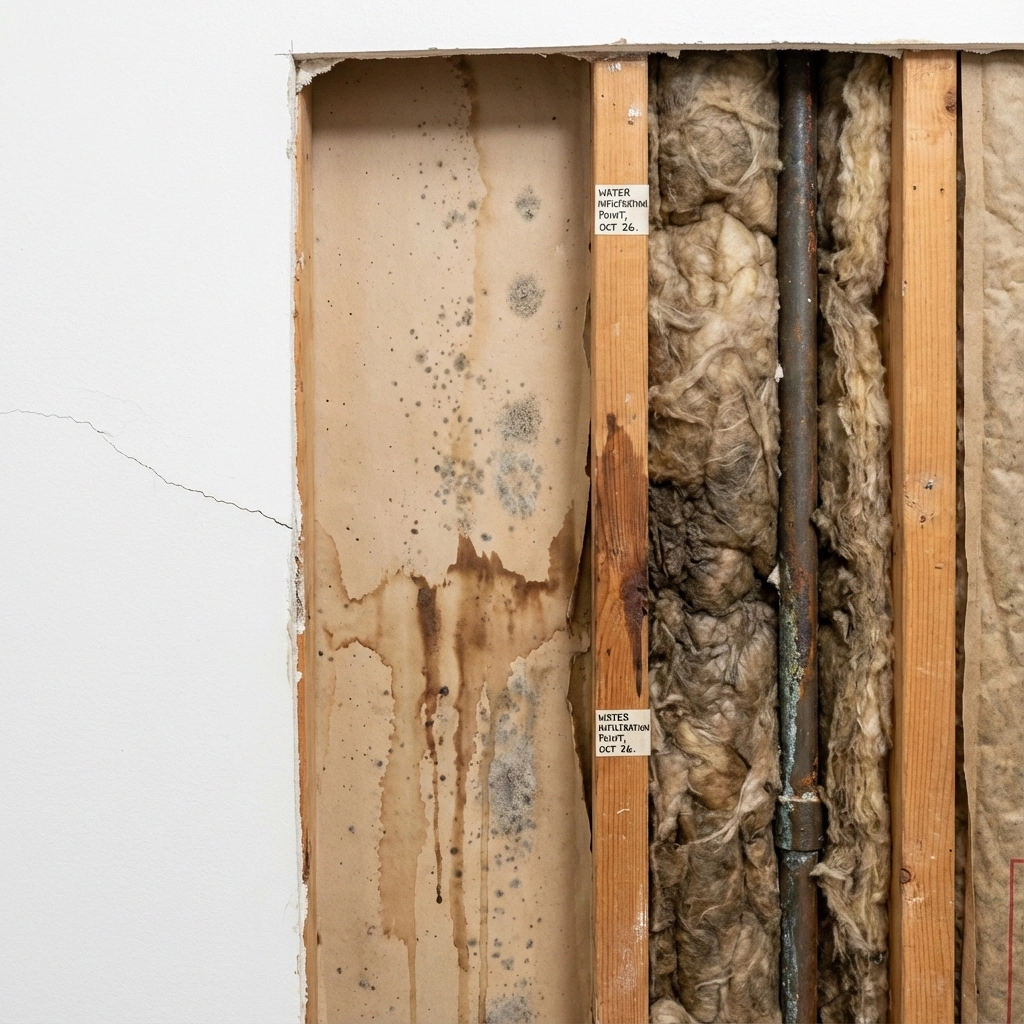
San Diego might not get much rain, but when it does come, it can be intense. Even small cracks can channel water into your walls during heavy downpours, leading to:
- Hidden mold growth
- Insulation damage
- Electrical hazards
- Structural wood rot
Compromised Home Performance
Cracks affect your home’s energy efficiency by allowing conditioned air to escape and outdoor air to infiltrate. In San Diego’s climate where you’re running AC much of the year, this translates to higher utility bills month after month.
Foundation Warning Signs
Some wall cracks are early warning signs of foundation settlement or movement. Catching these issues early might mean a simple repair, while waiting could lead to:
- Foundation underpinning ($15,000-$50,000+)
- Structural beam replacement
- Major drywall reconstruction
- Flooring damage throughout the home
When Location Matters: Reading Your Home’s Crack Patterns
Where cracks appear tells you a lot about their cause and urgency:
Corner cracks near doors and windows are common and usually result from normal settling. Monitor these, but don’t panic.
Ceiling cracks running parallel to walls are typically cosmetic, but perpendicular cracks or sagging areas need immediate professional attention.
Staircase cracks that follow a step-like pattern often indicate significant foundation movement and require urgent evaluation.
Cracks near plumbing could signal water damage or pipe leaks hidden behind the walls.
The Professional Evaluation Process
When you call San Diego DPG for crack assessment, here’s what our expert evaluation includes:
We start with a comprehensive visual inspection, examining not just the obvious cracks but also looking for subtler signs of structural stress throughout your home. Our team checks for patterns that might indicate foundation issues, water damage, or seismic effects.
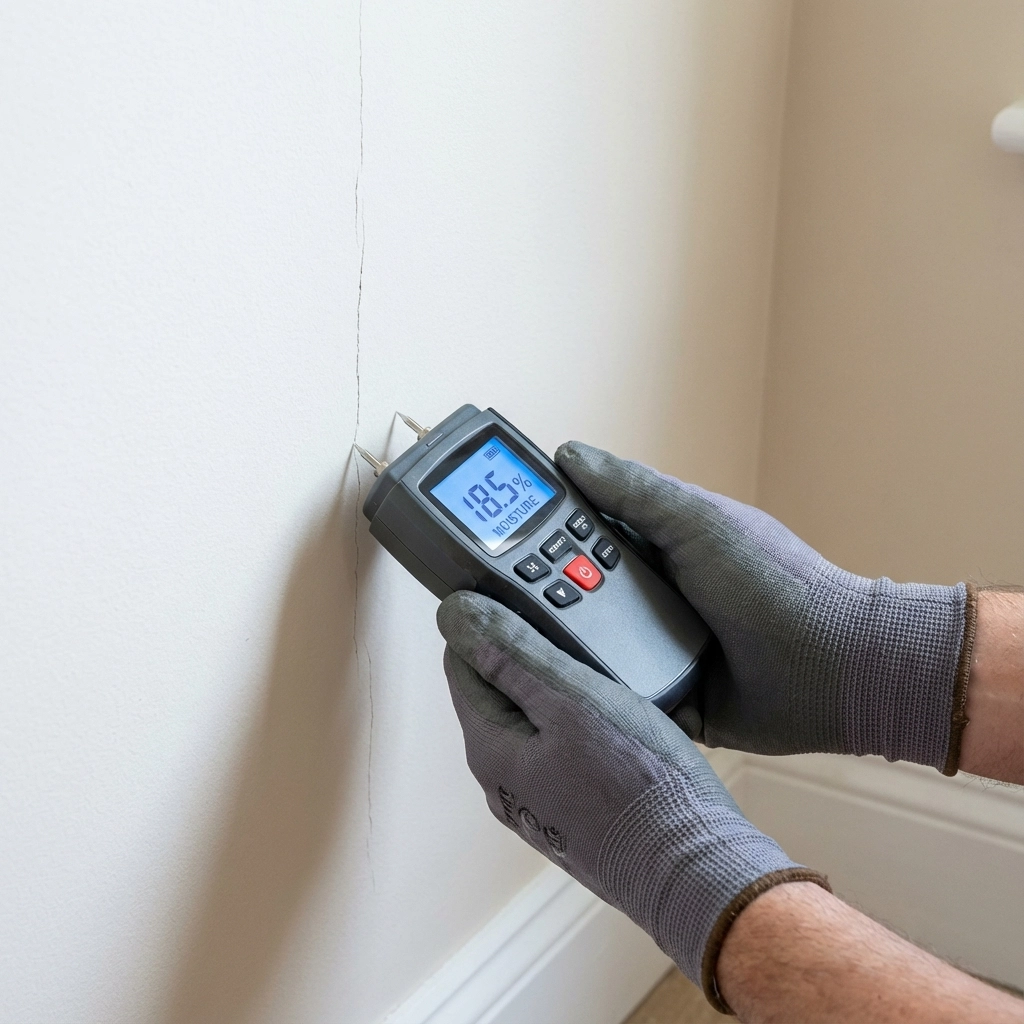
We use moisture meters to detect hidden water intrusion that might be causing cracks, and we examine your home’s exterior for corresponding signs of foundation movement or settling.
Most importantly, we provide honest assessment of whether you’re dealing with cosmetic issues or structural concerns that need immediate attention.
Prevention Strategies for San Diego Homes
While you can’t prevent all cracks, smart maintenance reduces your risk:
Maintain consistent indoor humidity between 30-50% using humidifiers during dry periods and dehumidifiers during humid weather.
Monitor your landscape watering to ensure consistent soil moisture around your foundation. Avoid both overwatering and allowing soil to completely dry out.
Address plumbing leaks immediately before they cause wall damage. Even small leaks behind walls can create conditions for cracking.
Schedule annual foundation inspections to catch settling issues before they create wall cracks.
Install proper drainage to direct water away from your foundation during San Diego’s occasional heavy rains.
The Smart Homeowner’s Action Plan
Here’s your step-by-step approach to handling drywall cracks:
- Document everything – Take photos of all cracks with measurements and dates
- Monitor changes – Check monthly for any growth or new cracks
- Address obvious causes – Fix leaks, improve ventilation, stabilize humidity
- Call professionals for cracks wider than 1/8 inch or any crack showing rapid growth
- Don’t delay repairs once you’ve identified the underlying cause
When DIY Isn’t Enough
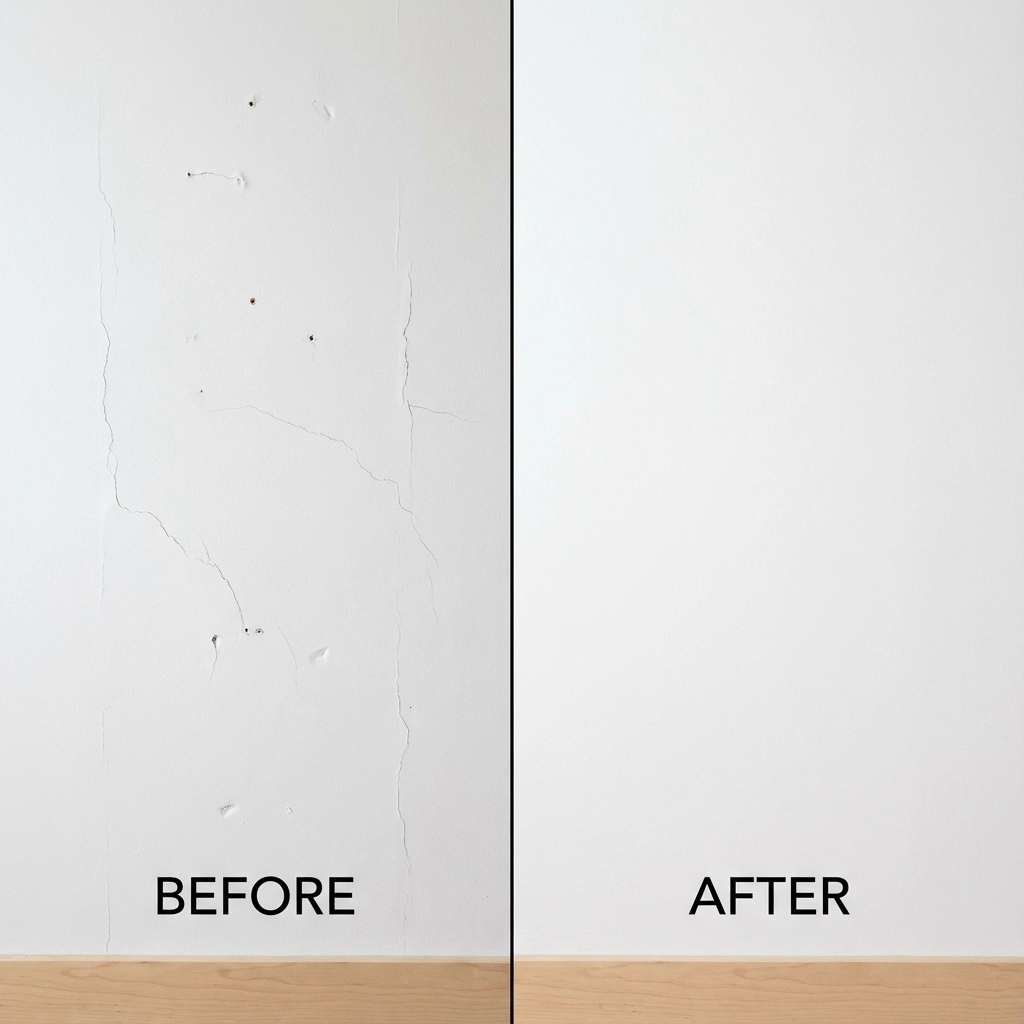
Some San Diego homeowners attempt DIY crack repair, but this approach often creates more problems than it solves. Professional repair ensures:
- Proper cause identification – Fixing symptoms without addressing causes leads to recurring problems
- Quality materials – Professional-grade compounds and mesh provide lasting repairs
- Texture matching – Seamless blending with your existing wall finish
- Warranty protection – Professional work typically comes with guarantees
If your home is showing multiple cracks, cracks that keep returning after DIY repair, or any cracks accompanied by doors that stick or floors that seem uneven, it’s time for professional evaluation.
The Bottom Line for San Diego Homeowners
That small crack might seem insignificant now, but in San Diego’s unique climate and seismic environment, early attention prevents major expenses later. Whether it’s a simple cosmetic fix or an early warning sign of structural issues, professional assessment gives you the information you need to make smart decisions about your home.
The cost of evaluation is minimal compared to the potential expense of ignoring warning signs. When you’re ready to address those cracks properly, San Diego DPG provides expert assessment and quality repairs that address both symptoms and causes.
Don’t let a small problem become a big expense. Those cracks aren’t going anywhere on their own – but with proper attention, you can ensure they don’t become something much worse.